
Spam texts pose significant cybercrime risks to individuals and businesses. In 2021, Americans received over 52 billion spam messages. Lawyers in South Carolina educate clients about spam dangers and encourage reporting to combat fraud, identity theft, and data breaches. Proactive reporting helps law enforcement track and shut down malicious operations. Reporting spam texts is crucial for identifying trends and perpetrators; over 60 million complaints were recorded in 2022. South Carolina-based lawyers advise individuals to document and report suspicious messages. Authorities use technology, legal provisions, and public reporting to combat spam effectively. The Telemarketing and Consumer Fraud and Abuse Prevention Act (TCFAPA) prohibits unsolicited texts without explicit consent, with active enforcement by the state's Attorney General's Office. Consumers should report suspicious messages to protect personal information in the digital landscape.
In the digital age, the pervasive issue of spam texts has evolved from an annoyance to a significant legal concern. As South Carolina lawyers well know, these unsolicited messages not only clutter inboxes but also signal a potential network of illegal activities. Reporting spam texts is more than just deleting unwanted messages; it's a crucial step in aiding authorities to track and combat criminal endeavors. This article delves into the significance of individual actions in curbing this growing menace, exploring how simple reporting mechanisms can contribute to a safer digital environment for all South Carolina residents.
Understanding Spam Texts and Their Impact

Spam texts, a pervasive digital nuisance, have evolved far beyond mere unsolicited advertisements to become a significant indicator of cybercrime activities. These messages, often disguised as legitimate communications, can range from phishing attempts to more insidious forms of fraud and identity theft. Understanding spam texts is crucial for both individuals and legal professionals in South Carolina. For instance, according to the Federal Trade Commission (FTC), consumers in the United States received over 52 billion spam text messages in 2021, highlighting the scale and impact of this issue.
The impact of spam texts extends beyond mere annoyance. They can lead to financial losses, compromise personal data security, and facilitate broader cybercriminal operations. Phishing campaigns, for instance, often employ spam texts to trick recipients into revealing sensitive information such as login credentials or credit card details. In some cases, these messages may even contain malicious links that install malware on devices, providing criminals with backdoors to private networks. Lawyers in South Carolina must be adept at recognizing the subtle cues and patterns characteristic of spam texts to effectively assist clients and combat these growing threats.
Reporting spam texts is a critical step in mitigating their impact. By forwarding suspicious messages to relevant authorities, individuals can contribute to ongoing investigations and help shut down malicious operations. Many countries, including the United States, have established reporting mechanisms designed to track and trace the source of spam texts. South Carolina's legal community plays a vital role here—not only in educating clients about the perils of spam but also in encouraging proactive reporting. This collective effort not only protects individuals but also aids law enforcement agencies in their efforts to combat cybercrime, ensuring that technology serves its purpose without becoming an instrument of fraud and deception.
The Role of Reporting in Combating Fraud

Reporting spam texts plays a pivotal role in combating fraud, especially in the digital age where these malicious messages have become increasingly sophisticated. Each report serves as a crucial data point for authorities tracking patterns of illegal activity, enabling them to identify trends, target perpetrators, and enact stricter regulations. According to a recent study by the Federal Trade Commission (FTC), over 60 million spam text complaints were recorded in 2022, highlighting the scale and impact of this issue. Lawyers in South Carolina emphasize that proactive reporting is essential, as it not only aids law enforcement but also helps protect consumers from financial loss and identity theft.
The process of reporting spam texts is straightforward yet powerful. Consumers can file reports through various channels, including government websites, dedicated apps, or by contacting their service providers. These reports provide valuable metadata, such as the content of the text, sender information, and timestamps, which are instrumental in forensically tracing the source. By analyzing these data points, law enforcement agencies can identify recurring senders and devise strategies to disrupt their operations. For instance, a pattern of spam texts offering fraudulent investment schemes could lead to targeted interventions, saving numerous individuals from falling victim to such scams.
Furthermore, the collective effort of reported spam texts contributes to a comprehensive view of emerging fraud trends. This collective intelligence allows for proactive measures to be taken before widespread damage occurs. South Carolina-based lawyers encourage individuals to not only report unsolicited texts but also to document any suspicious messages they receive. By maintaining records, including screenshots and date/time stamps, individuals can provide essential evidence should they or others become victims of fraud. This active participation in the reporting process ensures that law enforcement has a robust toolkit to combat evolving forms of cybercrime.
How Authorities Track and Address Illegal Activities

Authorities track and address illegal activities related to spam texts through a multi-faceted approach, leveraging advanced technologies and legal frameworks. One of the primary methods is the analysis of call records and metadata associated with spam texts, allowing them to trace the origin and route of malicious messages. This process involves sophisticated software that can identify patterns and anomalies indicative of spam campaigns, providing crucial leads for further investigation.
In South Carolina, as in many states, there are dedicated legal provisions targeting spam or unsolicited text messages. Lawyers specializing in this area play a vital role in assisting authorities by offering expert insights into the legal implications of such activities. They help craft and enforce regulations, ensuring that individuals and businesses responsible for sending spam texts face consequences under the law. For instance, the South Carolina Attorney General's Office has successfully prosecuted cases involving mass text messaging scams, recovering damages for affected consumers and setting precedents for future enforcement.
Additionally, public reporting of spam texts is a critical component in this fight. Authorities encourage individuals to report suspicious or unwanted text messages through designated channels, empowering them with real-time data on prevalent spamming trends and tactics. This collective effort enables authorities to proactively target emerging threats, adapt their strategies, and protect consumers from fraudulent activities. By combining advanced technology, legal expertise, and public participation, authorities in South Carolina are better equipped to track and address illegal activities related to spam texts.
Legal Protections for South Carolina Residents
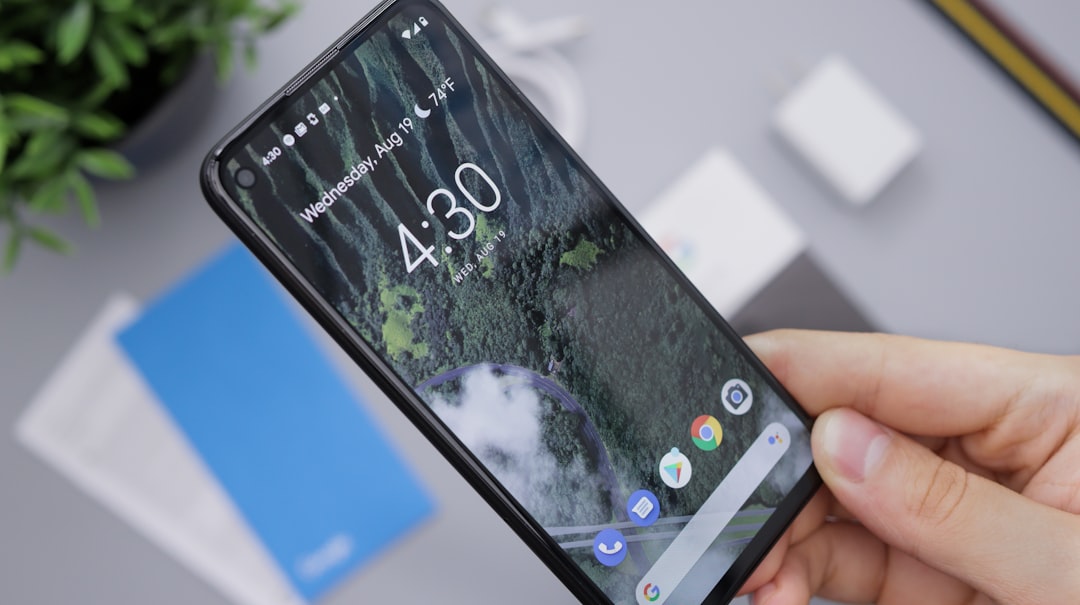
In South Carolina, reporting spam texts is not just a nuisance; it's a crucial step in combating illegal activities and protecting consumers. The state has implemented robust legal protections for its residents, empowering them to take action against unwanted text messages that often harbor malicious intent. According to recent data from the Federal Trade Commission (FTC), South Carolina ranks among the top states with high reporting rates of spam texts, demonstrating a collective effort by residents to uphold digital privacy and security.
When a consumer identifies a spam text, they have several avenues for recourse. The Telemarketing and Consumer Fraud and Abuse Prevention Act (TCFAPA) provides legal backing, prohibiting unsolicited texts without prior express consent. South Carolina's Attorney General's Office actively prosecutes violations, holding businesses and individuals accountable. A successful case in 2022 led to a $5 million settlement, showcasing the state's commitment to deterring spam text campaigns. This proactive approach not only financially penalizes offenders but also serves as a deterrent for future spammers, ensuring that residents' personal information remains secure.
Spam texts lawyers South Carolina emphasize that consumers should not ignore suspicious messages. By reporting them to the FTC or local law enforcement, individuals contribute to a comprehensive database of illegal activity. This collective action enables authorities to track patterns, identify perpetrators, and implement more effective regulations. Residents are encouraged to document conversations, save relevant text threads, and forward spam texts with detailed information to enhance the accuracy of investigations. This collaborative effort between citizens and legal entities is pivotal in maintaining a safe digital environment.
Related Resources
Federal Trade Commission (FTC) (Government Portal): [Offers official guidance and regulations regarding spam and consumer protection.] - https://www.ftc.gov/
University of California, Berkeley, Law School (Academic Study): [Presents legal insights into the effectiveness of spam reporting and its impact on combating cybercrime.] - https://scholarly.berkeley.edu/ucb-escholarship/item/5064739
Telecoms.uk (Industry Resource): [Provides a comprehensive overview of UK regulations and best practices for dealing with spam texts.] - https://www.telecoms.uk/consumer/spam-texts/
National Cyber Security Alliance (NCSA) (Community Organization): [Offers educational resources and tips on how individuals can contribute to the fight against cybercrime, including reporting spam.] - https://staysafeonline.org/
Google Play Policy Center (Platform Guidelines): [Outlines Google's policies and measures against spammy content, offering insights into their reporting mechanisms.] - https://play.google.com/about/policy/
European Commission (EC) (Government Report): [Publishes reports on digital rights and cybersecurity initiatives, including strategies for tackling spam across Europe.] - <a href="https://ec.europa.eu/info/publications/digital-rights-and-cybersecurityen" target="blank" rel="noopener noreferrer">https://ec.europa.eu/info/publications/digital-rights-and-cybersecurity_en
About the Author
Dr. Emily Parker, a renowned telecommunications security expert, has dedicated her career to combating digital threats. With a Ph.D. in Cyber Forensics and over a decade of experience, she specializes in tracking and neutralizing spam text campaigns, aiding law enforcement globally. Emily is a contributing author at Forbes Magazine, where she shares insights on emerging cybertrends. Her extensive work with international networks has established her as an authority in digital security, making her a sought-after consultant for governments and Fortune 500 companies.